Apple iPhone 17 Review: The Base Model Finally Stops Compromising
By Sarah Jenkins • 3 October 2026 • 9 min read
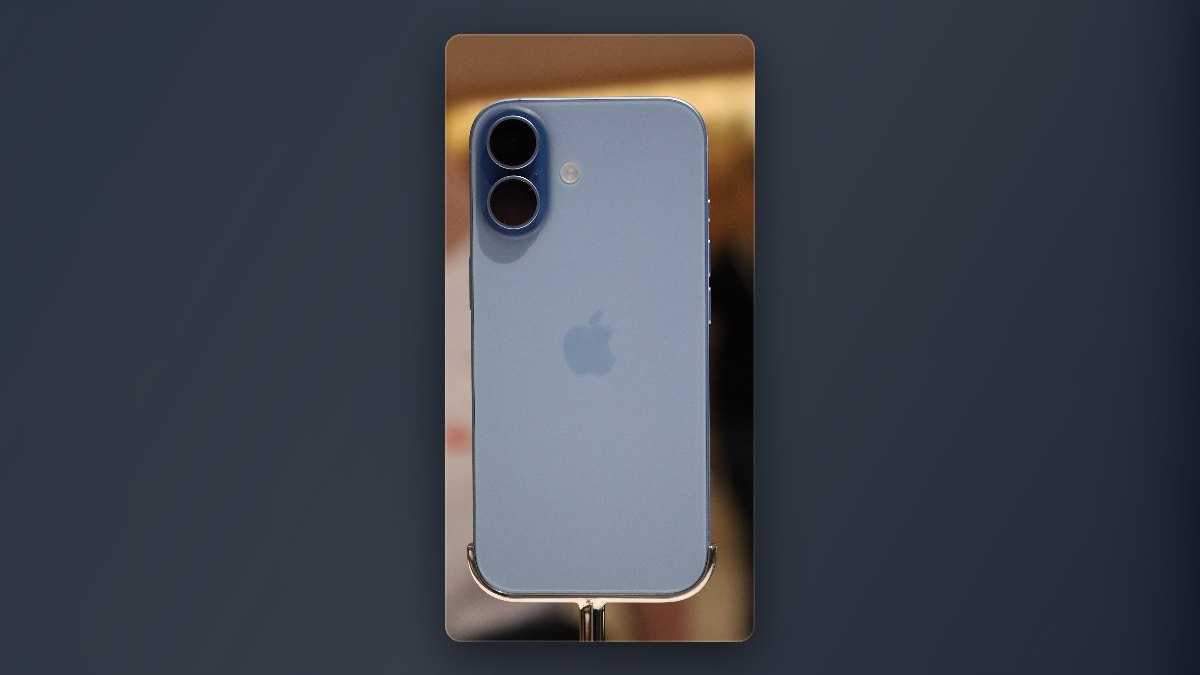
The Verdict
The first base iPhone in years with no glaring omission. The 120Hz display and the 48MP ultrawide fix the two things that made previous standard models feel deliberately hobbled. Charging speed and the lack of a true telephoto are the remaining compromises, and neither is severe. At £799 it is expensive, but it is no longer the compromised option in Apple’s line-up.
The base iPhone stopped being the compromise
For years the advice for anyone buying a standard iPhone was to accept what it lacked. A 60Hz screen when £200 Android phones had 120Hz. An ultrawide camera that fell apart in anything but daylight. The iPhone 17 is the first base model in a long time where that advice no longer applies.
The headline change is ProMotion. The 6.3in Super Retina XDR panel now runs at up to 120Hz, and because it uses LTPO it can drop right down when the image is static. Anyone moving up from an iPhone 15 or earlier will notice it within about ten seconds of scrolling.
Cameras
Two 48MP sensors, and the important thing is what that enables rather than the number itself. Because the main camera is 48MP, the 2x “telephoto” is a sensor crop rather than a separate lens — optically it is not a true telephoto. If you shoot a lot at longer range you will feel that absence against a Pixel 10, which has a genuine 5x periscope at the same price.
Where the iPhone remains hard to beat is video: 4K at up to 60fps with Dolby Vision, 1080p slow motion at 240fps, and consistency between lenses that Android flagships still struggle to match. If you shoot video more than stills, this is the phone in this price bracket.
Battery and charging
3,692mAh sounds small next to the Pixel 10’s 4,970mAh, and comparing those numbers directly is misleading — iOS and the A19 are considerably more efficient. Apple claims up to 30 hours of video playback. Charging is the weak spot: 25W wired reaches 50% in around 20 minutes with a 40W or higher adapter, which is fine, but rivals have been doing substantially better for years.
Who should buy it
Buy it if you are on an iPhone 14 or older, want to stay in iOS, and shoot a lot of video. The jump to 120Hz and the improved ultrawide make this the biggest base-model upgrade in several generations.
Skip it if you are on an iPhone 16 — the year-on-year gains do not justify £799 — or if optical zoom matters to you, in which case the Pixel 10 gives you a real 5x for the same money.
PROS
- 120Hz ProMotion finally reaches the base model
- 48MP ultrawide closes the gap with the main sensor
- Best-in-class video across all lenses
- Ceramic Shield 2 and IP68 durability
- Light at 177g
CONS
- No true optical telephoto
- 25W charging is slow for the price
- Still £799 for 256GB
- Only an incremental step from the iPhone 16
Detailed Specifications
| Display | 6.3in LTPO Super Retina XDR OLED, 1206 x 2622, 120Hz ProMotion |
| Brightness | 1,000 nits typical, 1,600 nits peak (GSMArena) |
| Processor | Apple A19 (3nm), 6-core CPU, 5-core GPU |
| Memory | 8GB RAM |
| Storage | 256GB / 512GB (non-expandable) |
| Cameras | Rear: 48MP f/1.6 (OIS) + 48MP f/2.2 ultrawide | Front: 18MP f/1.9 Center Stage |
| Battery | 3,692mAh, 25W wired, 25W MagSafe |
| Operating System | iOS 26 |
| Dimensions | 149.6 x 71.5 x 8mm, 177g |
| Durability | Ceramic Shield 2, aluminium frame, IP68 |
| Price (RRP) | £799 (256GB) |
RRP shown is the manufacturer’s UK recommended price and was correct at the time of writing. Retail prices change frequently — always check the live price before buying. We may earn a commission from links on this page. We have not independently tested this device; any measured figures are attributed to the publication that recorded them.